Published At: 30 Jan 2026
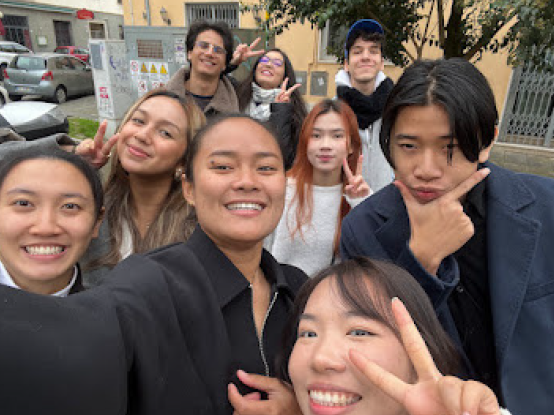
International academic mobility plays a crucial role in developing global competence, interdisciplinary knowledge, and cross-cultural understanding. At InnovativeLab, students are encouraged to engage in international learning experiences that strengthen their academic potential and broaden their global perspectives. Two outstanding students, Janyaporn Saigram and Manipa Pluungpub, who participated in the Erasmus+ KA171 exchange programme at the University of Florence, Italy, demonstrate how international education can transform both academic development and personal growth.
Interviewer: What motivated you to join the Erasmus+ KA171 programme?
Janyaporn Saigram:
My primary motivation was self-development, both academically and professionally. During my undergraduate studies, I became deeply interested in research and interdisciplinary learning, especially in integrating Information Technology with social and environmental issues. The Erasmus+ programme provided an opportunity to explore new academic approaches and expand my knowledge in an international context.
Studying in Florence allowed me to experience a different educational system and cultural environment. I believed that living and learning abroad would broaden my worldview, strengthen my critical thinking skills, and enhance my ability to work in interdisciplinary fields.
Interviewer: Could you describe your academic project during the exchange?
Janyaporn Saigram:
My final project focused on developing a web application for a carbon footprint system for the Faculty of Medicine, Chiang Mai University. The system was designed to allow personnel to record, calculate, and visualize carbon emission and reduction data through dashboards and graphs. Although the system is still a prototype, it demonstrates the potential of digital technology to support sustainability and organizational decision-making.
Interviewer: How did studying abroad influence your personal development?
Janyaporn Saigram:
Living in Italy broadened my perspective on cultural diversity and social systems. I learned to adapt to different lifestyles, learning methods, and communication styles. I also gained confidence in expressing my opinions and collaborating with people from diverse backgrounds. The experience strengthened my independence and inspired me to pursue further international and interdisciplinary opportunities.
Interviewer: What inspired you to participate in the exchange programme?
Manipa Pluungpub:
I wanted to challenge myself by studying in a new academic and cultural environment. I have a strong interest in European history and mythology, and Italy’s historical legacy deeply attracted me. Florence, as a city rich in art, history, and cultural heritage, offered a unique opportunity to experience knowledge beyond the classroom.
I believed that studying abroad would enhance my academic knowledge, improve my English communication skills, and expand my global perspective.
The city where we spent most of our time was Florence, as it is the location of the university, the University of Florence. I enrolled in two courses. The first was World History, in which we studied world maps from different historical periods, maritime exploration and the discovery of continents, countries, and cities, as well as indigenous peoples and civilizations. The course content was highly detailed and in-depth. I gained historical knowledge that I had never learned before and that is difficult to find or study in Thailand. Studying there felt like learning directly from primary sources, which greatly expanded my understanding of history.
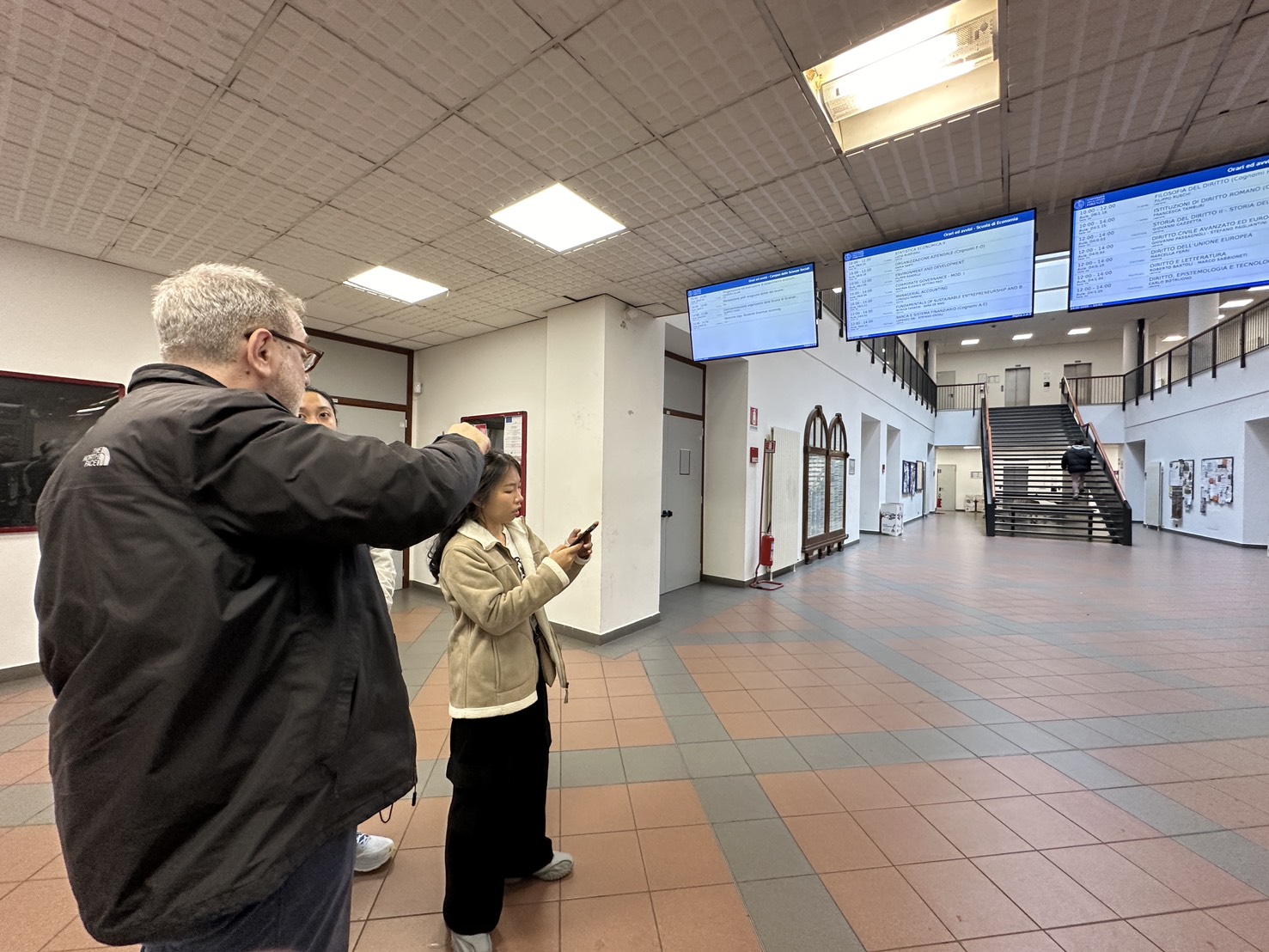
The second course was Society and Social Change in Europe, which focused on various aspects of European societies. We explored many topics and perspectives that differ significantly from those in Thailand or in Asia more broadly. The course reflected European viewpoints on social issues such as immigration, welfare systems, and citizens’ rights. This course also required an essay, for which I chose to compare the impacts of immigration in Europe, including both advantages and disadvantages, as well as policy approaches to managing migration. In addition, the course required an oral presentation. I successfully completed and passed this course as well.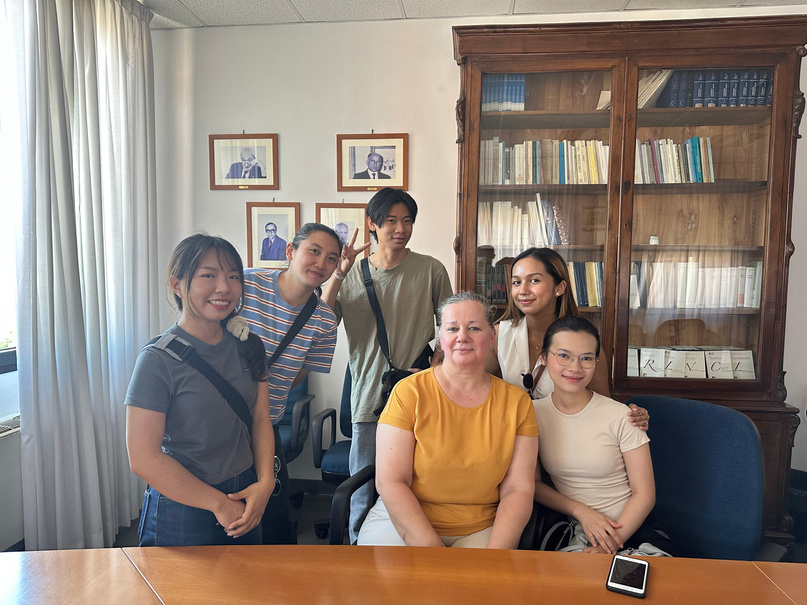
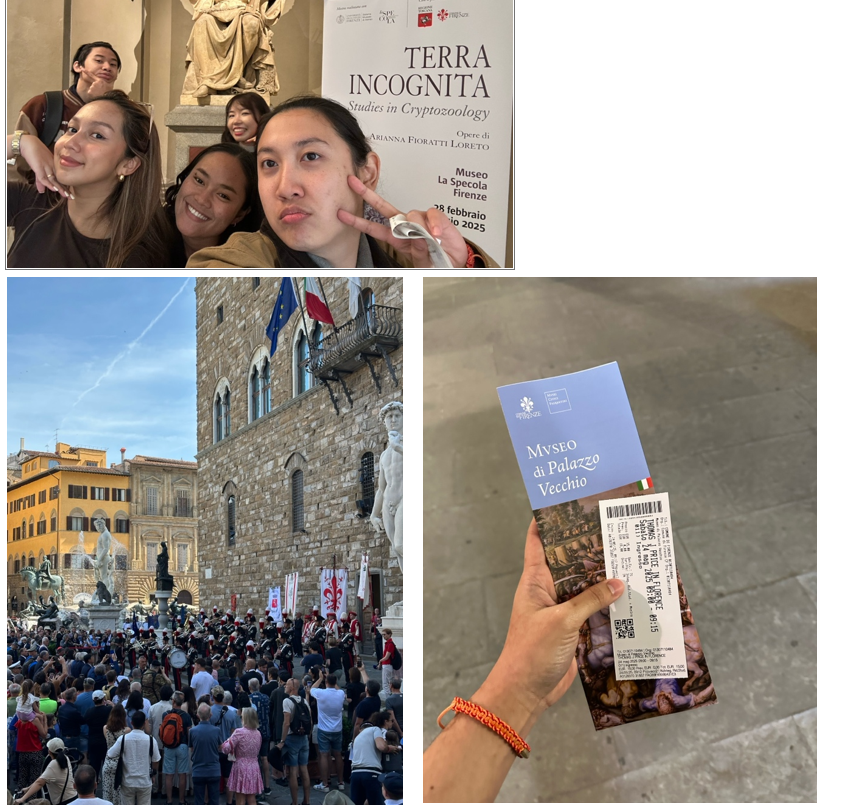
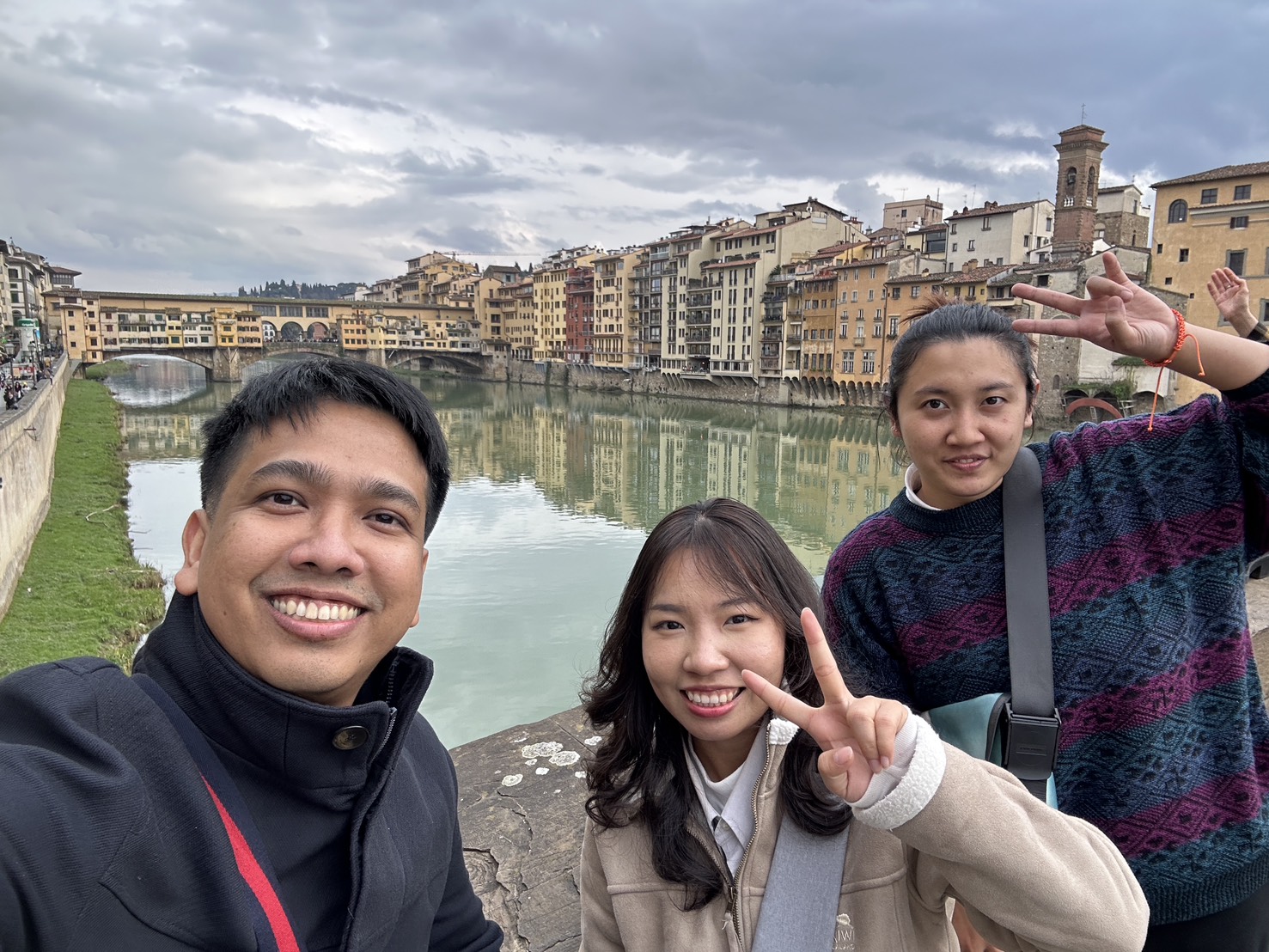
Florence is located in the Tuscany region and was the center of art and culture in Europe during the Renaissance. As a result, the city is rich in art and architecture, such as the Duomo di Firenze, which has the largest brick dome in the world, and the Ponte Vecchio, an ancient bridge that was originally built for nobles who did not wish to share a bridge with common people.
In terms of museums, Florence is home to the Uffizi Gallery, which houses some of the most important Renaissance paintings in the world, including The Birth of Venus and Primavera, both of which are internationally renowned. Seeing these works for the first time was incredibly exciting, as they were paintings I never expected to see in real life. I also had the opportunity to visit the Accademia Gallery, where Michelangelo’s David, one of the world’s most legendary sculptures, is displayed. The original sculpture is enormous and remarkably detailed, and I highly recommend visiting it.
Florence is filled with museums and artworks. Anyone who is interested in viewing or studying art and culture will certainly find great happiness and gain extensive knowledge beyond what can be learned in the classroom.
Interviewer: What academic and cultural experiences stood out during your stay in Italy?
Manipa Pluungpub:
The European learning system emphasizes discussion, critical thinking, and knowledge exchange. This approach helped me develop analytical skills and academic confidence. Studying with international students also improved my communication skills and encouraged me to step outside my comfort zone.
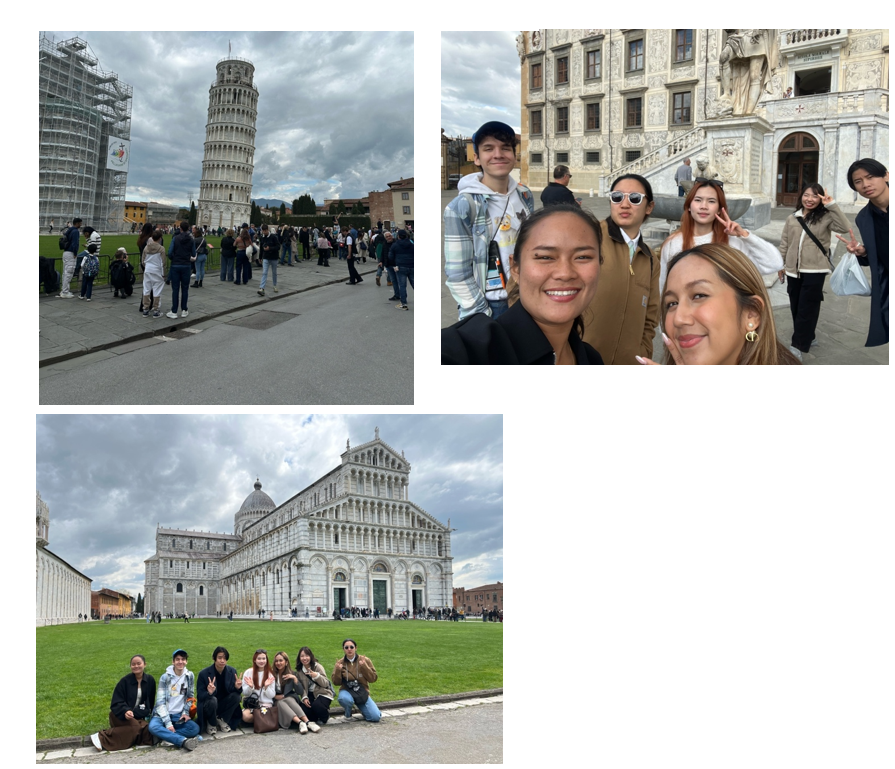
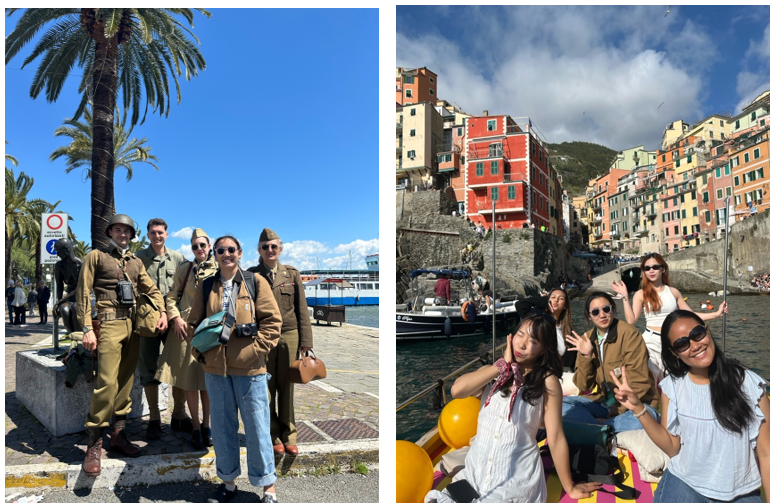
Beyond academics, living in Italy provided rich cultural experiences. I explored historical landmarks and Renaissance artworks in Florence and traveled to other major cities such as Rome, Venice, Milan, and Vatican City. These experiences helped me understand cultural diversity and global history more deeply.
Interviewer: What challenges did you face, and what did you learn from them?
Manipa Pluungpub:
Adapting to a new environment was challenging at first, especially due to language barriers, climate differences, and unfamiliar lifestyles. However, these challenges taught me resilience, independence, and problem-solving skills. Traveling alone and managing daily life abroad helped me become more confident and open-minded.
The experiences of Janyaporn Saigram and Manipa Pluungpub illustrate that international exchange is not only about academic learning but also about cultural immersion and life experience. Traveling to another country enabled them to:
Their journeys reflect the transformative power of international education in shaping globally minded and socially responsible graduates.
The achievements of Janyaporn Saigram and Manipa Pluungpub highlight the importance of international academic programmes in fostering innovation, interdisciplinary learning, and global engagement. Their experiences in Florence serve as an inspiration for future students at InnovativeLab to pursue international opportunities, embrace cultural diversity, and expand their academic horizons.
International learning is not merely a journey across countries—it is a pathway to global understanding, personal growth, and sustainable innovation.
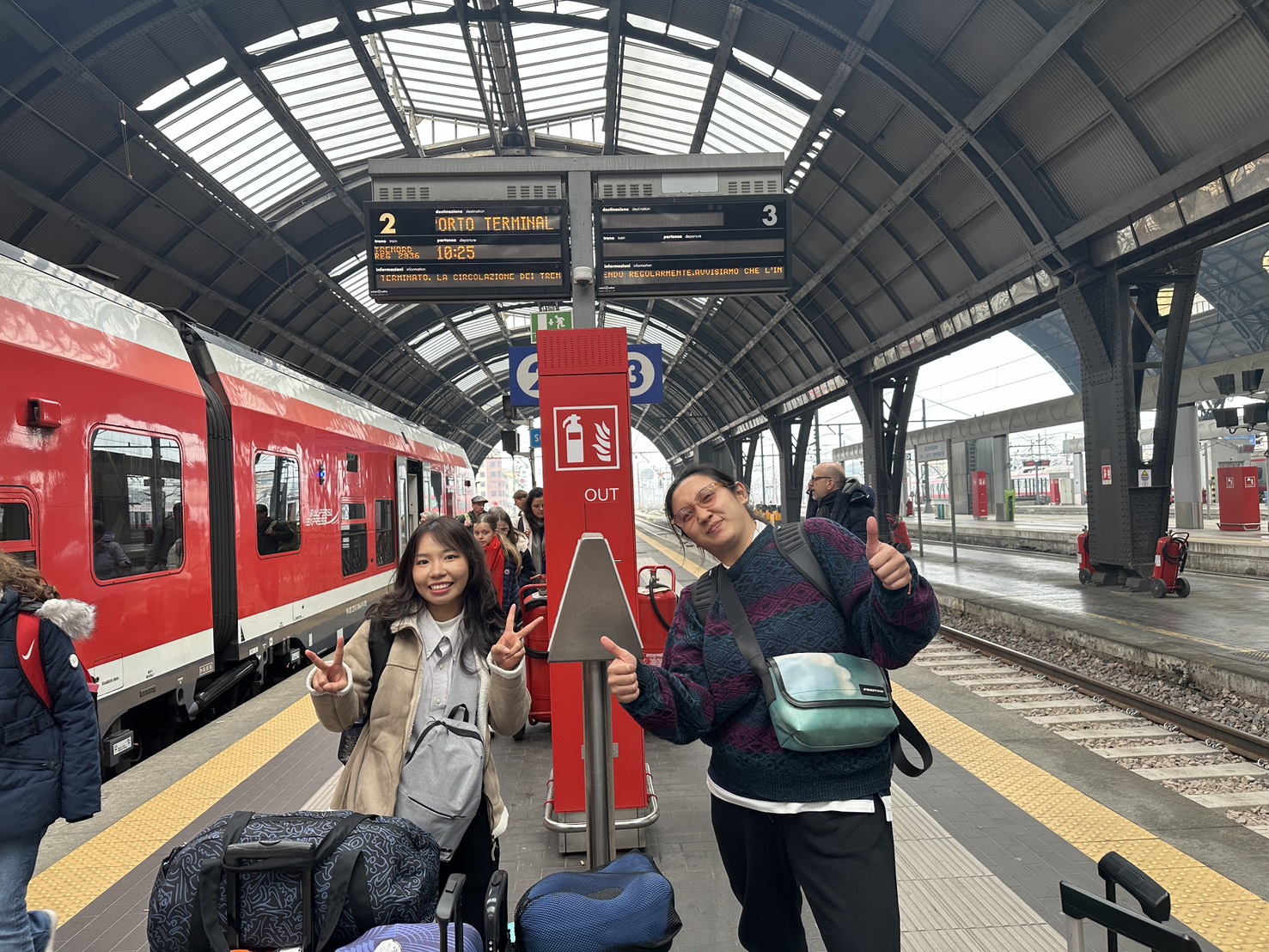
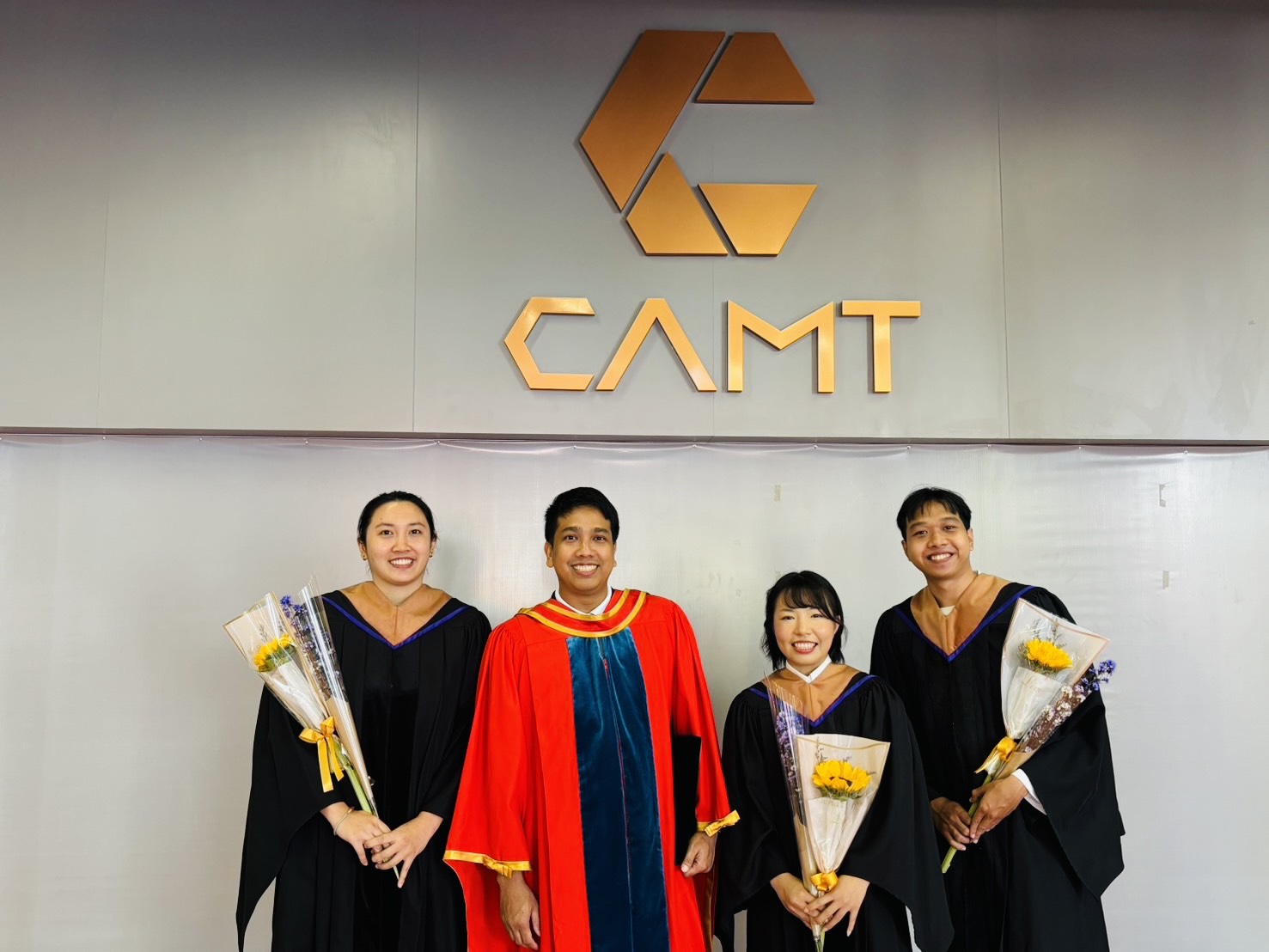
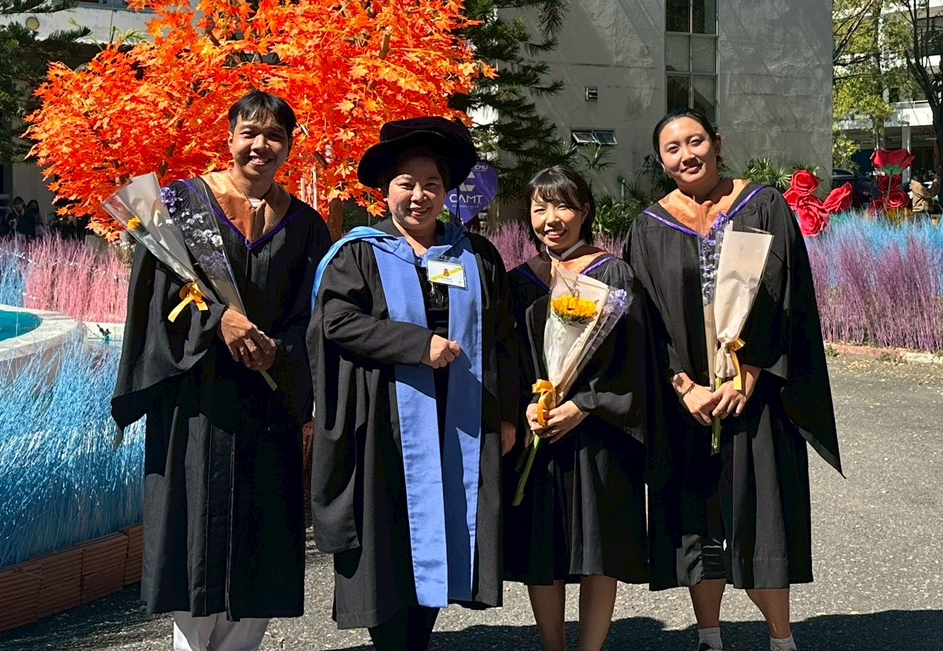
Both students have now graduated and are sharing their experiences with other students interested in joining the program and exchanging at their target universities. This is a crucial part of our operational network, and in the future, we plan to have similar programs in many other countries and expand our collaboration.